
Acting with the future in mind, making an impact locally: How Sparkasse Barnim is setting new standards in climate protection
Key takeaways from this article
- Sparkasse Barnim is one of the first savings banks to make an 11-year climate contribution to a regional forest conversion project in Brandenburg.
- Sparkasse Barnim's climate contribution goes to the Marienthal project, which converts climate-vulnerable pine stands into species-rich, resilient mixed forests – certified according to ISO 14064-2 and audited by TÜV NORD.
- Sparkasse Barnim's long-term commitment ensures access to regional, high-quality CO₂ certificates and protects against rising prices in the coming years.
The savings banks have set themselves a clear goal: to reduce their internal greenhouse gas emissions by three to five percent per year. By 2035, most savings banks should be CO2-neutral in their own business operations. This raises the question of how this goal can be implemented in a concrete and effective manner.
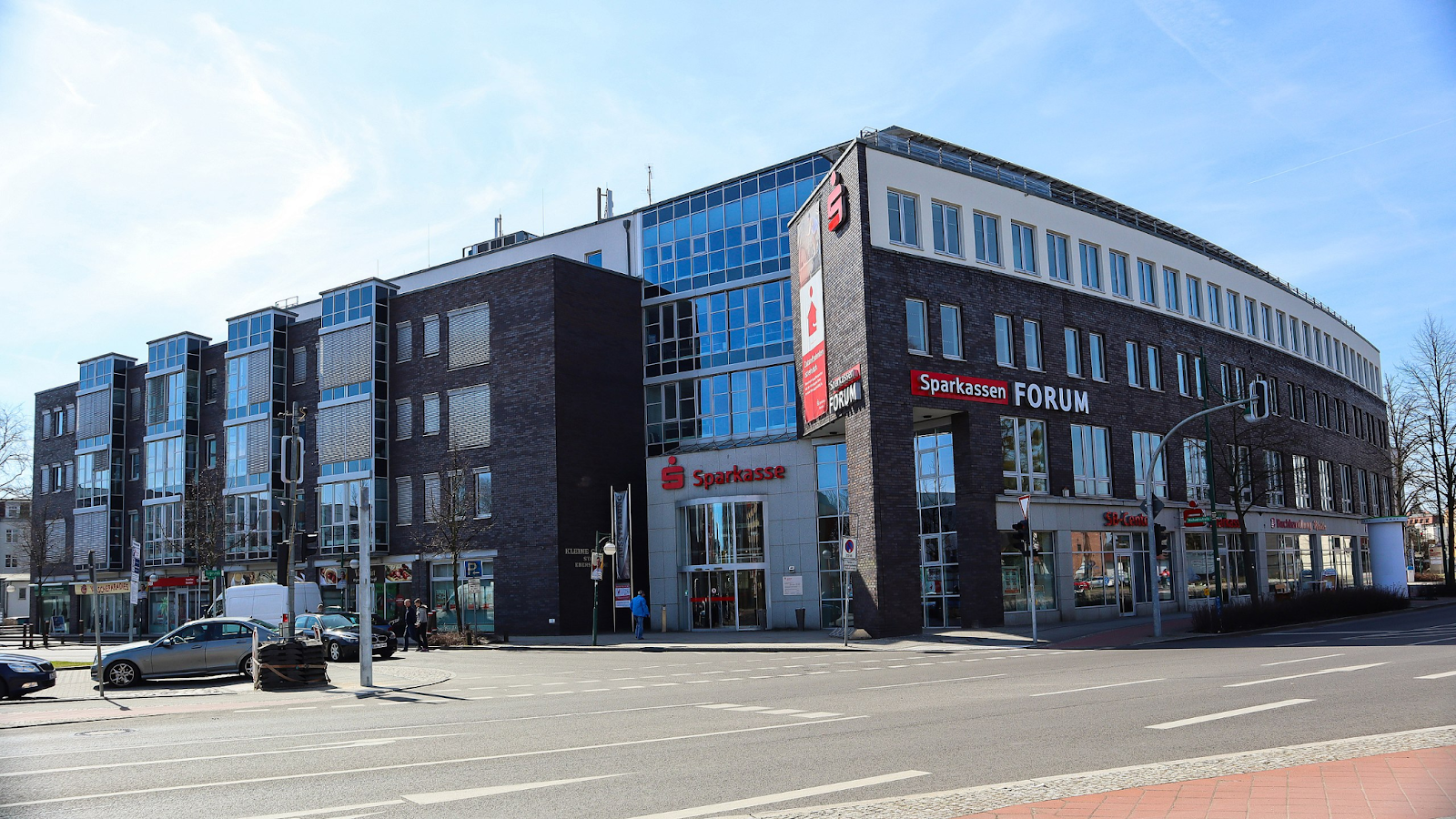
The Sparkasse Barnim has decided to take action in light of this and is one of the first savings banks in Germany to make a climate contribution in our regional forests.
From climate goal to implementation
The goal of achievingCO2 neutrality in our own business operations by 2035 is an ambitious one. At the same time, it is clear that effective climate protection requires time, continuity, and long-term planning. Sparkasse Barnim has decided to take action as early as 2025 and make a voluntary climate contribution over a period of eleven years.
This long-term commitment creates planning security, supports the continuous implementation of climate protection measures, and underscores the company's commitment to addressing climate protection strategically and proactively.
Regional climate protection: Marienthal project in Brandenburg
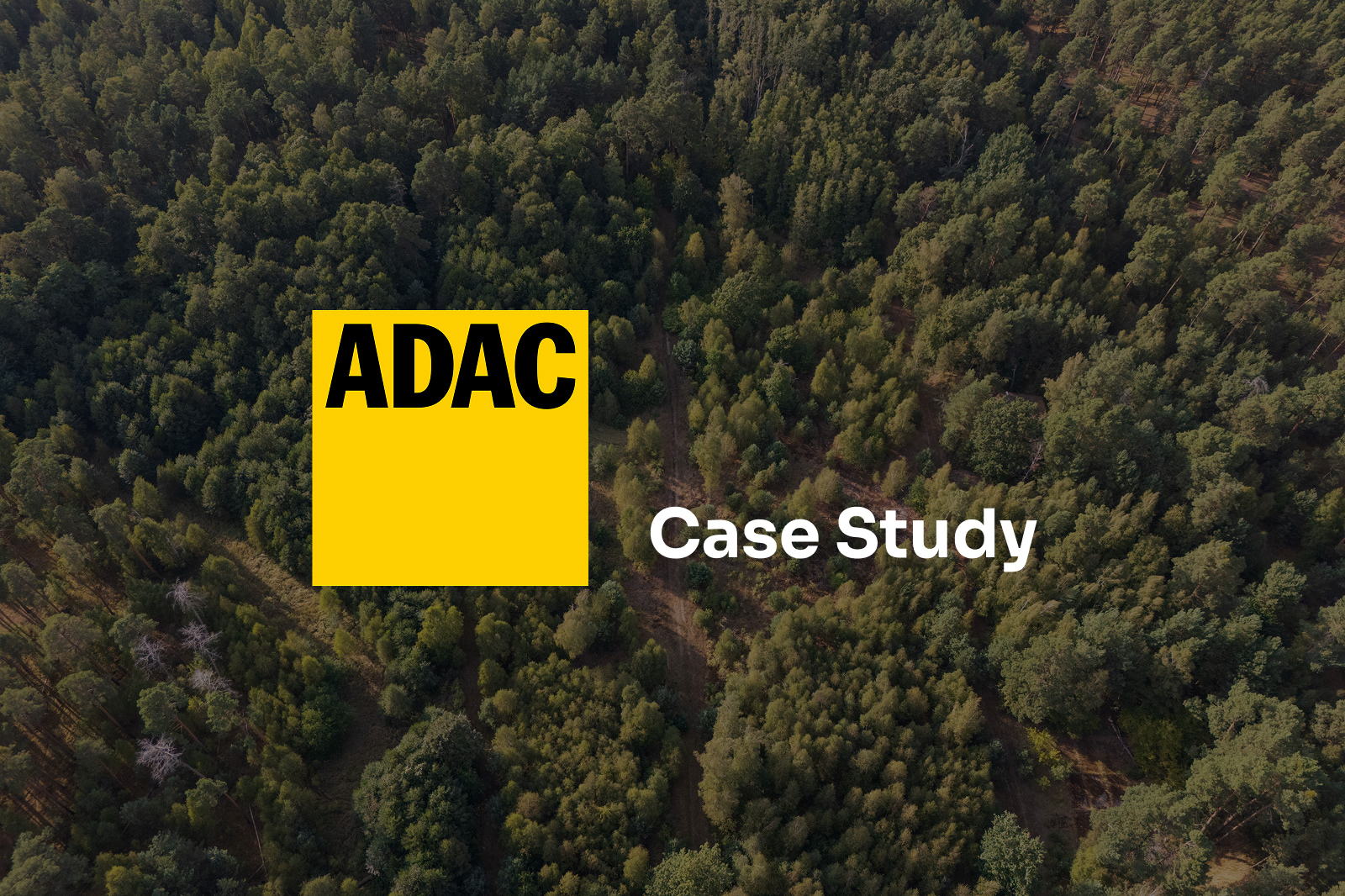
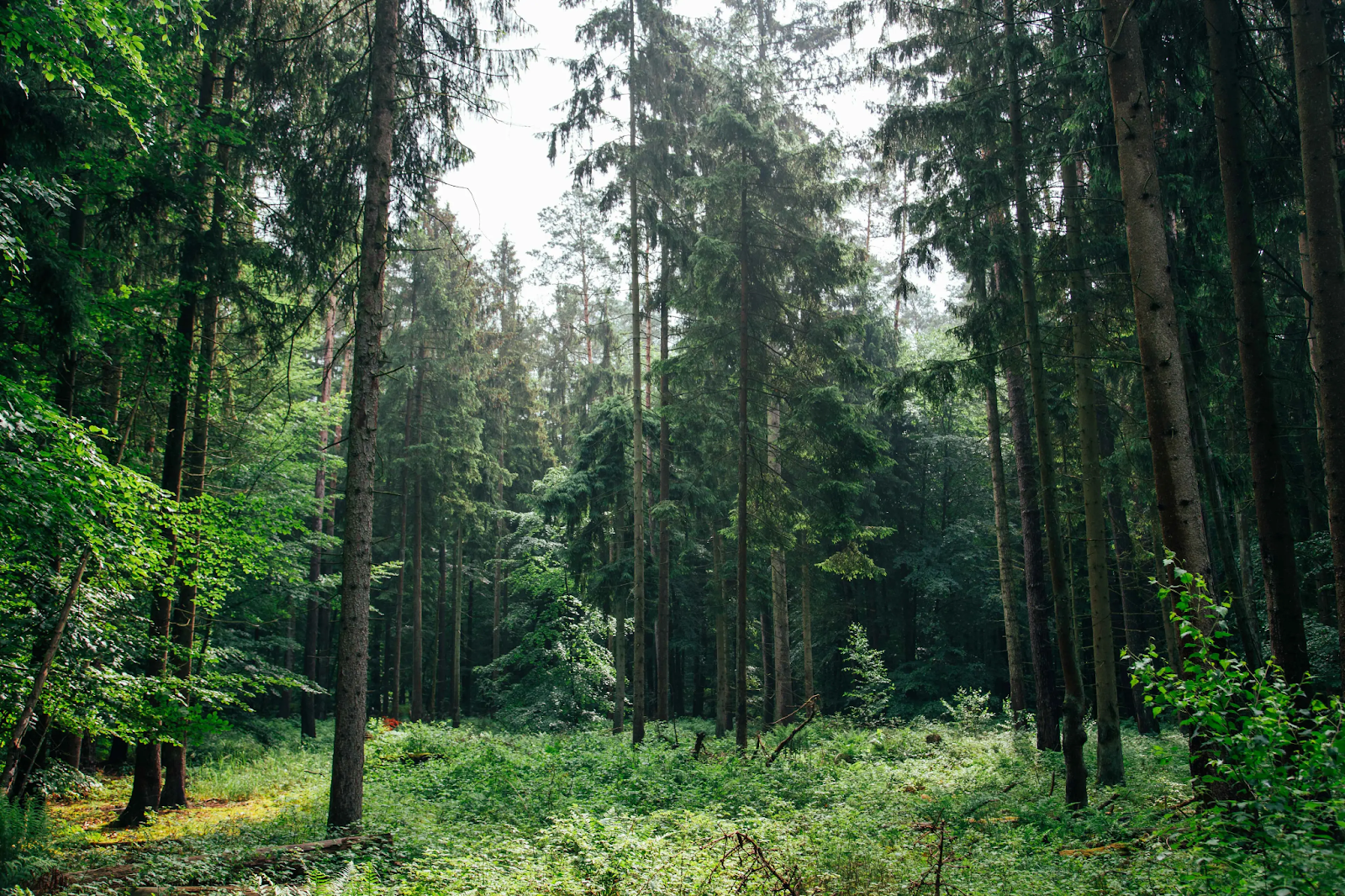
Sparkasse Barnim's climate contribution goes toward the Marienthal forest conversion project in Brandenburg in Brandenburg, only about 60 kilometers from its headquarters. The project is transforming the forest, which is currently dominated by pine trees, into a species-rich and structurally diverse mixed forest.
Pine and other coniferous forests are considered particularly vulnerable to the effects of climate change. Longer periods of drought weaken the trees and increase the risk of pest infestation. At the same time, structurally and species-poor stands favor the rapid spread of forest fires.
This is precisely where forest conversion comes in. Over a period of 30 years, targeted measures will be implemented to make the forest more stable, diverse, and resilient in the long term. In the Marienthal project, these measures include:
- the promotion and protection of natural regeneration,
- the preservation and strengthening of valuable mixed tree species,
- the planting of beech, maple, larch, and Douglas fir trees.
Measurable impact on climate and biodiversity
The conversion work in the Marienthal project is already having a clear impact. Over the course of the project, a considerable amount of CO₂ will also be stored in the forest. At the same time, biodiversity is increasing significantly: the number of main tree species is growing, the biodiversity index is improving, and new tree species are becoming established in the long term.
In addition to CO₂ storage, the project is also making an important contribution to several UN sustainability goals.
"As a society, we are already feeling the effects of the climate crisis very clearly. Sparkasse Barnim is one of the first savings banks in Germany to take decisive action and invest in a high-quality climate protection project in its region.
We at Pina are very excited about this collaboration!"
– Leoš Paul Bloch, member of the management board at Pina Earth
High-quality methodology and detailed testing
One of Sparkasse Barnim's key objectives was to make a contribution to climate protection that is transparent, verifiable, and secure in the long term. The Marienthal project is certified according to the international standard ISO 14064-2 and is audited by independent partners.
Validation and certification are carried out by TÜV NORD CERT, a long-standing and experienced auditor of climate protection projects. As part of the certification process, the project areas were inspected, the initial situation was examined, and the planned measures were comprehensively evaluated.
Sparkasse Barnim as a pioneer
With its commitment, Sparkasse Barnim is taking on a clear pioneering role among savings banks. It is demonstrating how climate protection can be implemented early on and at a regional level.
The long-term commitment is particularly valuable: it creates the necessary security for the forest and foresters to implement sustainable measures over a long period of time. At the same time, it offers many advantages for Sparkasse Barnim: with a clear climate strategy, it not only secures the price of the project in a rising price environment, but also the availability of a regional, high-quality climate protection project over a term of 11 years.
Pina Earth is supporting Sparkasse Barnim as a project developer and partner in implementing its climate contribution. We are delighted to have such a committed, forward-thinking, and responsible customer at our side. This collaboration shows how effective climate protection can be when regional responsibility, long-term thinking, and high quality standards come together.
For Sparkasse Barnim, sustainability is not just a buzzword, but is firmly anchored in our sustainability principles. It is important to us to make a contribution where we release emissions—locally in Germany.
Regional projects are tangible and have a direct impact on the living environment of our customers, partners, and employees. With the forest conversion project in Marienthal, we are putting these words into action: by making the regional mixed forest more resilient, we are taking responsibility for the ecology of our homeland and ensuring quality of life for future generations.
– Volkmar Grätsch, Chairman of the Board of Sparkasse Barnim, and Susan Borreck-Ratzel, Member of the Board of Sparkasse Barnim
Frequently Asked Questions
What is a forest conversion project and why is it important?
Aforest conversion project transforms climate-sensitive monocultures, such as pine forests, into species-rich and resilient mixed forests. This is important because monocultures are particularly susceptible to drought, pest infestation, and forest fires. Targeted conversion makes the forest more stable in the long term, stores additional CO₂, and promotes biodiversity.
What standard is the Marienthal project certified to?
TheMarienthal project is certified according to the international standard ISO 14064-2. Validation and testing are carried out by TÜV NORD CERT. This involves inspecting the project areas, checking the initial situation, and comprehensively evaluating the planned measures.
Why is a long-term climate contribution worthwhile for companies?
Along-term commitment secures companies access to regional, high-quality CO₂ certificates at fixed conditions. In a market with rising prices and growing demand, this offers planning security and price stability. At the same time, it enables local foresters to reliably implement sustainable measures over a long period of time.
About the author
Leos Bloch is VP of Sales at Pina Earth. He holds an M.Sc. in Sustainability & Social Innovation from HEC Paris School of Management. For more than 5 years, he has been advising international companies on how to effectively protect the climate. Before joining Pina Earth, Leos worked Leos one of the largest international management consultancies specializing in climate protection and previously drove forward the energy transition at Siemens.